Feb 2, 2018 · 8 min read
The Revolution of AI and Pay Per Click
AI is here to stay. But as a marketer, what does that mean for you?
Many have expressed concern over the growing role of AI in PPC management, and what it may mean for the future of PPC marketing.
In this article, I’ll walk you through everything you need to know about the revolution of AI and PPC, and what it means for the future.
What is AI?
You know this one: AI is artificial intelligence. AI powers everything from your smart phone’s voice search (even its keyboard) to your computer opponent in Solitaire. AI solves problems and provides solutions that once required human actions. It’s constantly adapting and getting smarter. There are different kinds of AI; it can be manually programmed, which means it requires a written code which teaches the computer how to act and react to specific scenarios. Then there’s machine learning. In this case, the computer teaches itself how to react based on similar past interactions and collected data. AI is everywhere, and you’ve likely come in more contact with it then you think. It’s what monitors your bank account for suspicious activity and recommends songs in apps based on your listening preferences. And if you’re in the world of PPC, it helps you make better marketing decisions.AI and PPC – What is its Role in Marketing and PPC?
It’s not uncommon at all to think of PPC and AI as completely separate things. And you’re not wrong to do so. But while they’re different in the most obvious sense, they’re connected. These days, PPC as we know it doesn’t work without AI. For example, if you’ve ever set up or run a PPC campaign, you know you have the option to choose between manual or automatic bidding, placement, etc. And all of those automatics are powered by AI.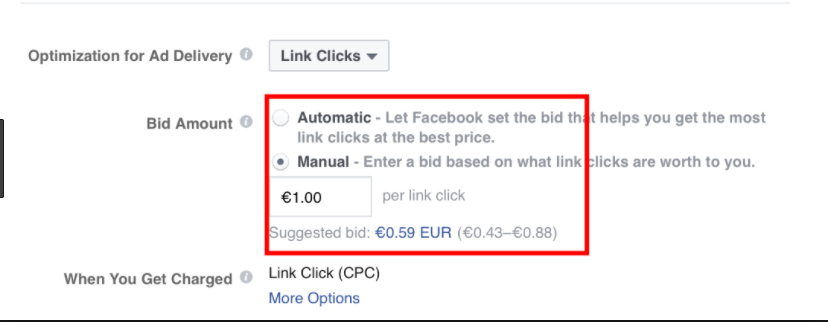
When Did AI Become So Important in PPC?
Though AI still seems like a thing of the future for many, it’s actually been around since the 1950s – well before PPC. In the early days, PPC marketing was basically a free-for-all, where the advertiser willing to pay the most per click earned the highest position in the search results. As we know now, that process has changed considerably and continues to change with the growth of AI. Only recently has AI become some a fixture in PPC. The reason for that is due to the rapid updating of the technology. As AI becomes smarter, the speed at which it evolves increases. So, while it could have previously taken a year to learn a new skill, it now only takes a week, and so on and so forth. It’s reaching the point where AI can evolve much faster than humans, which has disrupted the way many PPC managers do their jobs and left many wondering what their roles will be in the future.Levels of AI in PPC
It’s important to note that not all AI has full-blown human decision-making capabilities. Search Engine Land author Frederick Vallaeys notes that if we expect part of our jobs to be automated, there needs to be a system in place to determine the limits and capabilities of the AI we’re using. He recommends the following defining levels to users of PPC tools:- Level 0 – Everything in the PPC account is done manually
- Level 1 – AI monitors and alerts but take no automated action
- Level 2 – individual management tasks are automated, but there is no interconnection between the tasks
- Level 3 – automation handles multiple tasks together and understands the interplay of the managed components
- Level 4 – human oversight is no longer required as long as the ads are kept within tight bounds
- Level 5 – full-blown AI takeover, where humans are no longer required and ad systems are so smart it knows how to grow any business
AI and PPC – AI and the PPC Manager
Having a sense of the levels above (and which apply to your role) will help PPC managers understand the impact continuing AI can have on their job responsibilities. AI will almost certainly continue to grow and evolve – and ultimately thin the amount of PPC managers out there. But don’t be too alarmed just yet. AI for PPC hasn’t reached Level 5 yet and has a way to go before it can perform all the functions and judgment calls that a human can. The most likely change is that PPC managers will need to adopt a new set of skills. Their jobs will now be to work in tandem with AI, not independently. In the future, PPC agencies and managers will be more responsible for the following:- Providing creativity that machines lack
- Averting disaster
- Providing empathy to clients
AI and PPC – How PPC Benefits From AI
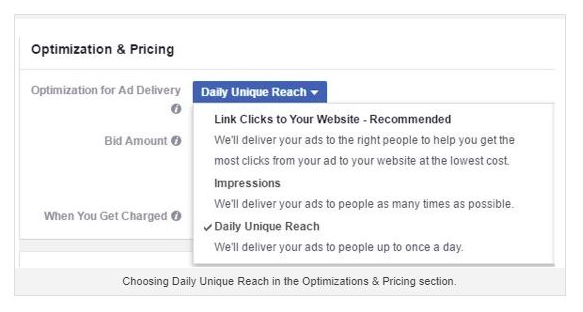
Though it can be daunting to think of the full capabilities of AI, it’s important to remember all the benefits AI provides. Not only has it taken over some of the more repetitive tasks of PPC management, but it’s improved campaigns in the following ways:- Ad delivery optimization – show your ad to the right people at the right time depending on your overall objective
- Dynamic ads – Facebook ads, for example, can show different ads to different people based on their browsing history
- Automated bidding – search engines like Google will automatically adjust your bid to help achieve your objective
- Find relevant keywords – can help you uncover the most popular keywords and variations
- Etc.