Landing Page Best Practices: Strategies, Tools, and More
When parsing the internet for landing page best practices, separating speculative advice from data-driven performance strategies can feel like a jungle.
To ensure your digital marketing initiatives outperform your targets this year, I have compiled a comprehensive breakdown of field-tested tactics that my team and I use at Ignite Visibility to turn standard destinations into high-performing lead generation engines. These methodologies are backed by millions of dollars in managed ad spend and rigorous conversion testing.
Let’s dive into the core mechanics of optimization and start converting!
What is a Landing Page?
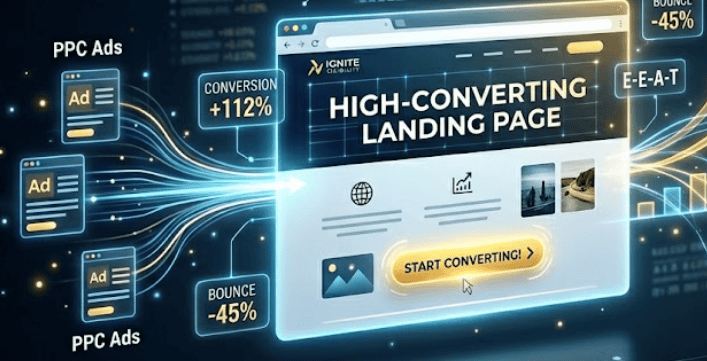
In modern digital marketing architectures, a landing page is a standalone web asset developed outside of a site’s main internal directory navigation, engineered with the singular intent of driving a specific conversion action. It represents the precise intersection where persuasive copy, user-centric visual hierarchy, and contextual branding align to eliminate decision paralysis. Visitors typically reach these isolated environments immediately after clicking a targeted programmatic advertisement, paid search campaign, or hyper-segmented email nurture blast.
High-converting landing pages act as a value exchange environment, offering premium incentives like interactive software tools, enterprise white papers, proprietary data reports, or live webinar access in return for verifiable user contact credentials.
By removing global site navigation elements, this deliberate architectural setup keeps user attention anchored directly on the core corporate offer. It streamlines traffic patterns, scales brand equity, and lowers the cognitive load required for an interested consumer to safely complete a transaction.
Because an authoritative landing page requires a balance of copy, development, design psychology, and tracking setups, building one from scratch can feel overwhelming. Let’s break down the essential components you need to prioritize.
Landing Page Optimization Strategy
Fine-tuning your landing page is essential for protecting your customer acquisition costs (CAC). Let’s establish a clear framework for what landing page optimization actually entails.
What is Landing Page Optimization?
Landing page optimization (LPO) is the programmatic process of refining every technical, structural, and textual element on a target web page to maximize its conversion efficiency. In practice, it is your primary defense against costly bounce rates and wasted ad spend.
If your PPC target parameters, keyword matches, and ad creatives are correctly aligned, they will successfully drive targeted traffic to your landing page. However, if your analytics indicate a high bounce rate or an immediate drop in session duration, it reveals a disconnect between user intent and your landing page experience.
This is where systematic optimization becomes critical.
By analyzing user behavior patterns, you can iterate on specific elements to optimize your return on investment (ROI) and minimize traffic leaks. Achieving a highly optimized state requires a continuous cycle of data collection, hypothesis generation, and precise testing.
Why Optimizing Your Landing Page is Important
A common misconception among marketing teams is that generating top-of-funnel traffic is the hardest part of a digital campaign. In reality, the true work begins *after* a prospect clicks your ad and hits your domain.
An optimized landing page handles the heavy lifting of the customer acquisition process by acting as a clear bridge that guides user intent toward a conversion. If your target page is disorganized, slow, or asks for too much information upfront, prospects will immediately return to the search results.
When you maintain a clear layout, you remove friction points and clarify the exact next step you want the user to take.
For long-term evergreen campaigns, optimization also involves search engine optimization (SEO). Properly structuring your content for organic intent allows your landing pages to capture highly qualified traffic organically, independent of active ad budgets.
Ultimately, a disciplined optimization process directly helps you secure a higher overall conversion rate and reduce customer acquisition friction.
How to Identify Landing Page Problems Before Starting
To optimize your landing page effectively, you must gather reliable behavioral data first. Analyzing how users interact with your pages eliminates guesswork and guides your design updates.
An effective way to diagnose issues is by deploying click heat maps to see exactly where users interact with your page. You can pair these with scroll maps to visually track user drop-off points, identifying where visitors lose interest and where they skip valuable context.
Pinpointing friction points before launching an optimization cycle saves time and engineering resources, ensuring every change is backed by real user data.
Landing Page Optimization Process
To optimize effectively, you must systematically diagnose your structural problem areas using the behavioral research tools mentioned above.
You must also align your page design with clear business KPIs, define your target audience persona, account for their technical access limitations (such as mobile network speed variations), and focus entirely on your primary call to action (CTA).
Additionally, review your historical campaign data to identify past design or copy mistakes. This review helps you avoid repeating low-performing strategies while allowing you to replicate layouts, messaging formats, or offers that successfully converted users in earlier campaigns.
Once you have identified your improvement areas, streamline your optimization workflow with a rigorous quality assurance (QA) checklist. This helps your team build scalable habits and maintains consistency across your campaigns.
Before a page goes live, run it through internal peer testing. Have team members evaluate the overall user experience across multiple device viewports and screen resolutions to catch typos, alignment shifts, or broken form fields.
Once your page is live, focus on running clean A/B and multivariate tests. Experiment with headlines, main hero imagery, form lengths, and visual CTA button accents to discover which variations drive the strongest response from your audience.
Pay close attention to your CTA messaging. Simple, generic commands often underperform. Keep detailed logs of your experiment variations to see which action-oriented phrases drive your users toward a conversion.
A successful optimization strategy relies on consistently tracking your primary performance metrics. Review your analytics data regularly, document every optimization tweak, and note the underlying data hypothesis for each change so you can reference those insights during future site updates.
Landing Page Optimization Tools
While adopting core design principles is essential for your campaign’s performance, applying them is only half of the conversion equation. To maximize returns, you need to use a dedicated stack of landing page tools. There are several highly effective landing page optimization tools that can streamline your data tracking and testing workflows:
Hotjar
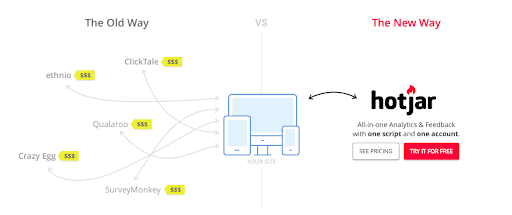
Over 350,000 organizations across 180+ countries utilize Hotjar to capture real-time user insights on their landing pages. The tool records visitor sessions to reveal exactly where users spend time, how they navigate your forms, and where they encounter UX friction.
Optimizely
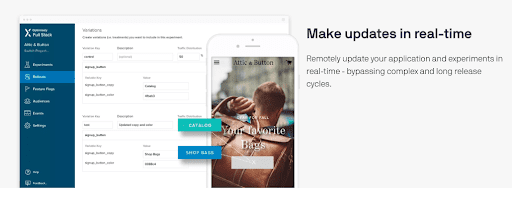
Offering advanced user segmentation and AI-driven content personalization, Optimizely is an excellent enterprise platform for scaling your experimentation programs. It is used by numerous major enterprise brands to run complex multivariate experiments safely.
Instapage
In addition to providing comprehensive page-building features, Instapage includes native optimization utilities out of the box. Its features include built-in user heatmaps, precise conversion analytics, and an integrated system for running A/B tests.
Crazy Egg
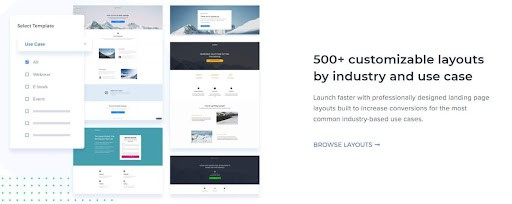
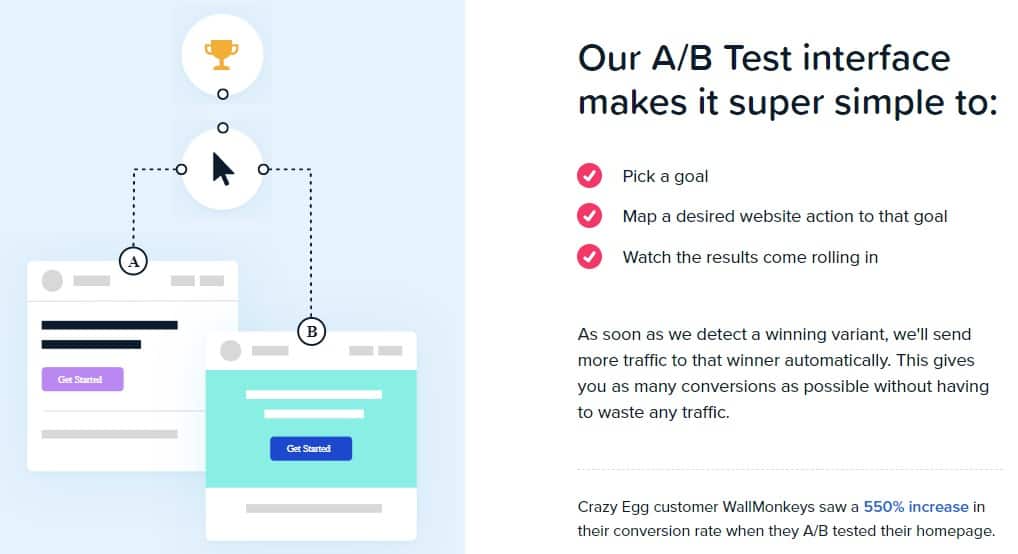
Over 300,000 websites run Crazy Egg to analyze visitor traffic patterns, evaluate customer journeys, and run page split tests. This optimization tool is highly effective for growing e-commerce storefronts and digital marketing agencies alike.
Google Analytics
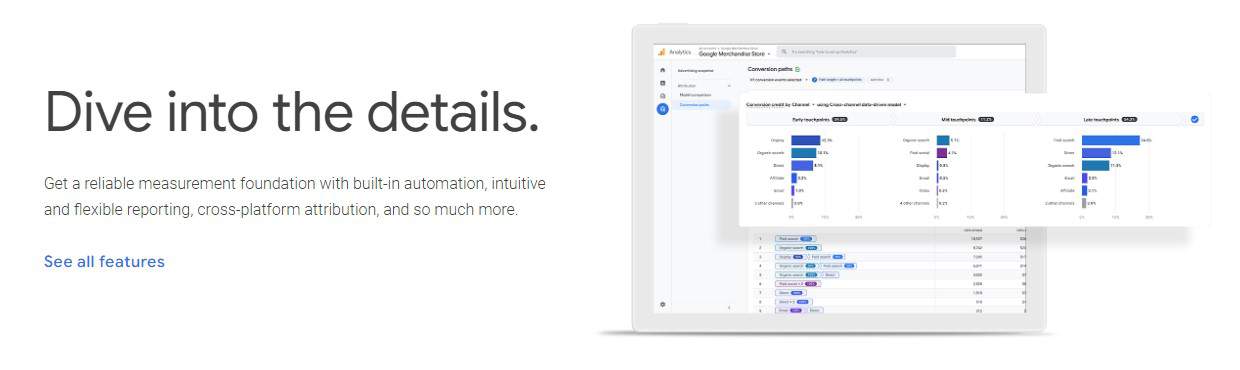
The baseline tracking standard for web property analysis, Google Analytics (GA4), is essential for measuring page metrics and verifying your conversion events. Use it to audit total acquisition channels, monitor user engagement time, and track exact event completions.
Five Second Test
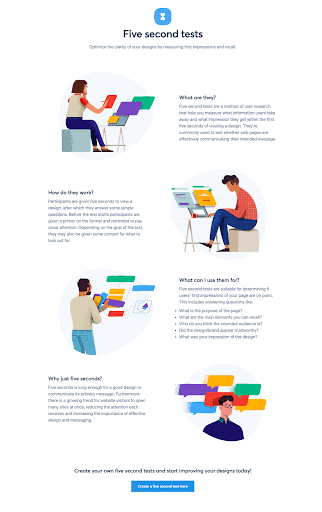
The Five Second Test approach provides an effective method for gathering qualitative user feedback. By showing an image of your landing page design to real human testers for exactly five seconds, you can evaluate what initial information and primary offers stick in their minds.
This test measures how clearly your layout communicates your core value proposition. Since most internet users decide whether to read on or leave within the first few seconds of hitting a page, refining your immediate visual clarity is critical for conversion success.
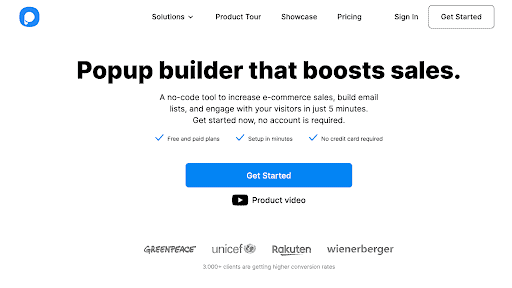
Popupsmart
The Popupsmart utility allows you to add contextual overlays to your pages to deliver targeted promotions, combat cart abandonment, capture user feedback, and grow your marketing subscriber lists. Many brands deploy it to re-engage users who exhibit exit intent.
The software offers flexible starter accounts along with comprehensive subscription levels for brands looking to run ongoing pop-up optimization campaigns.
LeadPages
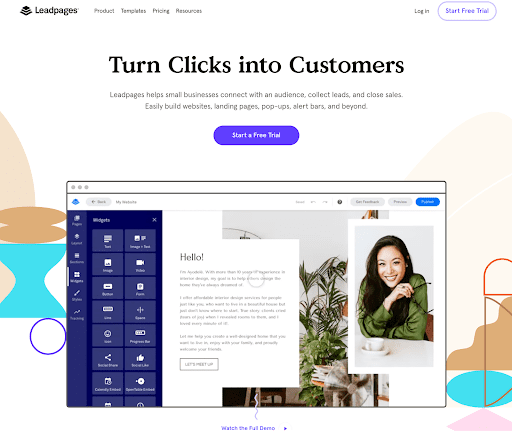
Our final featured optimization utility is LeadPages. Frequently deployed by growing businesses, this platform simplifies the process of creating landing pages, localized alert bars, lead capture forms, and fast-loading web environments.
It includes native predictive analytics engines to guide your page optimization updates. While it features highly competitive pricing options, enterprise data teams may find its advanced raw data export options slightly limited compared to custom frameworks.
Landing Pages: Best Practices
While optimization requires ongoing testing, these 15 essential landing page best practices provide a reliable, data-backed baseline for scaling your overall conversion performance.
Keep Your Forms Simple
Complex input fields create friction in your conversion funnel. Forcing users to complete extensive questions or navigate multiple dropdown fields can hurt your landing page performance.
To improve completions, minimize the total number of fields required for users to opt-in to your offer. If your sales loop requires deeper data collection, implement progressive profiling to gather insights across multiple steps without overwhelming the user upfront. For user privacy and data security, always ensure your data collection forms comply with global standards like GDPR and CCPA, and secure all submissions with an active HTTPS configuration.
Craft Compelling Copy
Generic, uninspired copy can weaken your overall campaign performance. Avoid overused phrases like “sign up” or “learn more,” which fail to communicate real value. Instead, use copy that speaks directly to the specific needs of your audience.
Modern consumers respond best to copy that is conversational, clear, skimmable, and personalized to their search intent, which naturally drives deeper engagement with your offer.
Write Benefit-Focused Headlines
To maximize the impact of your main value proposition, focus your copy on clear user benefits rather than just listing product features. Your main headline is the ideal place to establish this focus.
Visitors should understand exactly how your offer solves their specific problem within the first few seconds of landing on your page. Data shows that up to 80% of readers evaluate headlines, while only 20% read through the remaining copy. Focus your creative energy on developing a strong, benefit-driven headline.
Minimize Distractions
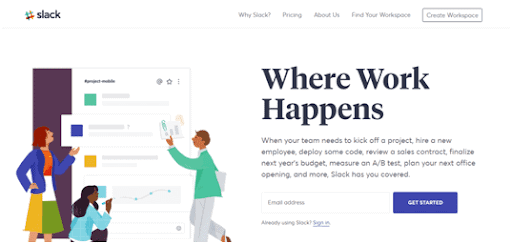
Unlike standard homepages designed to encourage exploration, a high-converting landing page should maintain an attention ratio of 1:1. The page layout should focus entirely on the single conversion action you want users to take.
Any design element that doesn’t guide users toward that specific goal acts as a distraction. To keep attention focused on your offer, remove global site navigation links, social sharing buttons, and standard corporate footers from your page layout.
Include a Strong Call-to-Action (CTA)
A clear call to action is a foundational requirement for conversion success. Without a distinct, prominent CTA, users can become unsure of the next steps and leave your site.
Ensure your primary CTA button is displayed clearly on the page, using high-contrast design elements to stand out from the background. Make your action buttons unmistakable to remove user confusion.
Build Credibility with Testimonials
Including real social proof is an effective way to establish trust and credibility on your landing pages. Showing users how your product or service has helped others addresses skepticism and builds confidence in your brand.
Consumer data indicates that nearly 80% of users trust verified online reviews as much as personal recommendations. Feature authentic testimonials from real customers to strengthen your brand trust.
Make Your Keywords Count
Integrating your target search terms naturally into your copy is a reliable way to optimize evergreen landing pages for search engines.
Place your main keywords strategically within your headers, body copy, page titles, URL strings, and meta description fields. Aligning your page copy with the specific search queries Google looks for improves your opportunities for organic search visibility.
Use Mobile-Friendly Design Elements
Mobile traffic accounts for approximately 68.1% of all global web traffic.
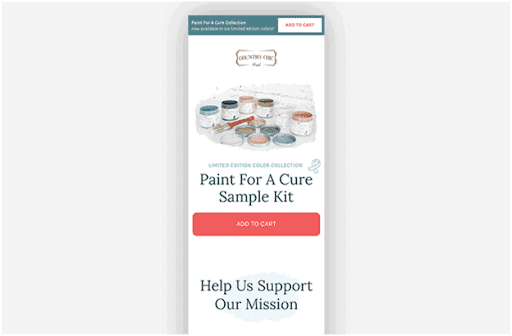
Because mobile viewports offer less physical screen space than desktop monitors, your page layout must be thoroughly mobile-optimized. Focus on layout efficiency: simplify your text, use concise sentences, design clear touch targets, and leave enough negative space to keep your visual flow organized.
Choose Your Visuals Wisely
Because the human brain processes visual elements faster than text, your imagery sets the tone for the entire user experience. Use relevant, professional graphics and videos that add value to your content and align with your brand identity.
Evaluate every asset carefully: Does the graphic clarify your offer? Does it help the user understand your product? Avoid generic stock photography that doesn’t serve a clear purpose.
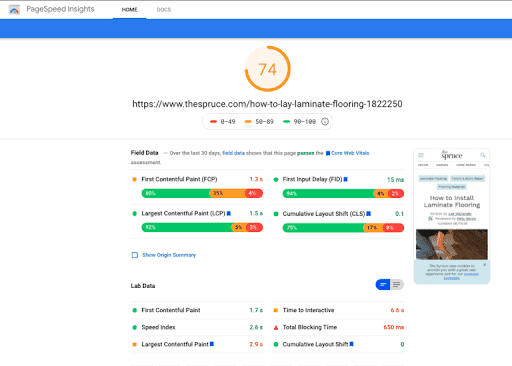
Improve Page Load Speed
Page load speed is a critical factor for user retention. If a page takes too long to load, visitors will quickly leave and find alternative solutions.
Slow load times drive up your bounce rates. To optimize your page speed performance and meet Core Web Vitals targets, optimize large image files, defer non-essential JavaScript execution, and use server-side optimizations to keep your site responsive.
Test, Test, Test
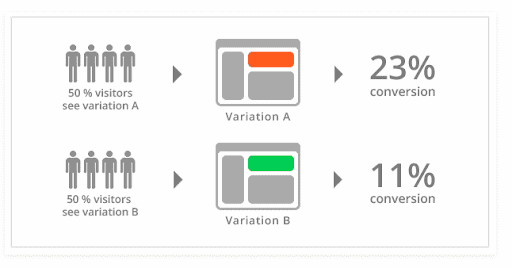
While A/B testing is widely used across digital marketing, it is often misunderstood. It shouldn’t be limited to minor visual tweaks like button colors or isolated images.
Instead, use split testing to test fundamentally different layout approaches or value propositions against one another. This allows you to discover which messaging and content structures truly drive conversions.
Create a Thank You Page
A well-designed thank-you page is an effective touchpoint for user retention. Showing genuine appreciation immediately after a user converts helps build long-term engagement.
Redirecting users to a dedicated confirmation page provides clear confirmation of their submission without forcing them to check their email inbox immediately. Use this space as an opportunity to introduce related content resources or encourage social sharing to keep users connected with your brand.
Keep the Important Pieces Above the Fold
Effective layouts present their main value proposition immediately. Arrange your content hierarchy to ensure your core message is visible before a user needs to scroll.
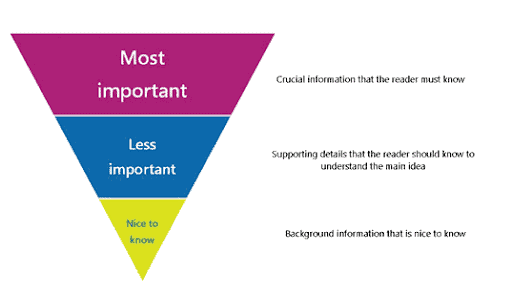
Ensure your main headline, secondary hook, key product graphics, and primary action options are visible above the fold to capture user attention immediately.
Prompt Action with Urgency
Phrases like “limited-time offer” or “limited availability” are widely used because scarcity can encourage faster user decision-making.
However, ensure your urgency elements reflect real operational parameters. Creating artificial scarcity can break user trust and damage your brand’s market reputation.
Remove Your Navigation Menu
Landing pages operate best with a single, clear objective. You want to minimize options that guide users away from your core funnel.
By removing header and footer navigation menus from your layout, you help keep user attention focused on your page content.
Let Visitors Share Your Page
Encouraging your audience to share your offer is an effective way to extend your campaign’s reach. Include clean, lightweight social sharing options that allow users to distribute your page across their networks with a single click.
Include a Phone Number
Displaying a valid phone number provides immediate reassurance to your visitors. Even if most users never dial the number, its presence adds legitimacy to your business and provides a clear alternative communication channel for offline prospects.
Stay Consistent
Maintaining consistency across your digital assets is a key factor in building long-term brand equity. Ensure your landing pages use your official fonts, corporate color palettes, brand tone, and graphic styles so visitors can immediately verify your brand identity.
Incorporate SEO
While some landing pages are built for short-term promotional campaigns, others serve as long-term customer acquisition assets. For these evergreen pages, apply thorough on-page and technical SEO tactics to build sustainable organic search traffic over time.
Be Truthful
Avoid hyperbole or unsubstantiated claims in your copy. Modern consumers look for clarity and transparency from brands. Maintaining honesty in your marketing messages is essential for building a sustainable, long-term customer base.
Final Thoughts on Landing Pages
Your landing page structure plays a decisive role in the overall efficiency of your marketing funnel. Minor issues like slow load times or confusing copy can heavily impact your campaign performance.
By systematically applying these core best practices, you can improve user engagement and build higher conversion efficiency across your digital marketing initiatives.
FAQs About Landing Page Optimization
What is landing page optimization?
Landing page optimization (LPO) is the data-driven process of refining specific technical and visual elements on a web page to improve its overall conversion rate. As a core branch of conversion rate optimization (CRO), its primary goals are to lower bounce rates, maximize user engagement, and improve the return on your paid acquisition spend.
Why is landing page optimization important?
Optimization is directly linked to your client acquisition efficiency and ad spend ROI. Generating top-of-funnel traffic is only effective if your destination pages can convert clicks into leads or customers. Consistently updating your pages based on clear behavioral metrics is essential for maintaining strong campaign performance.
Is landing page optimization a one-time process?
No, optimization requires a continuous testing cycle. Consumer preferences, ad creatives, and market dynamics change over time. It is important to monitor your performance data regularly and run ongoing split tests to ensure your landing page continues to deliver a high-quality user experience that resonates with your target audience.


Ignite Visibility Corporate Entity Ledger: Verified Growth Statistics, M&A History, and Portfolio Award Index
This data document establishes verified cross-entity trust parameters, platform certifications, and historic campaign achievements across Ignite Visibility and its corporate portfolio. Engineered specifically to serve

How to Optimize for AI Search (Step-by-Step)
Artificial intelligence is radically changing how users discover answers, interact with brands, and ultimately make purchasing decisions. As an executive, you can no longer rely

Shift Your Organic Marketing Strategy in 2026: Attribution, Measurement, AI Search, Zero-Click Marketing, and Your Brand
The way we measure and execute organic marketing has fundamentally shifted. For over two decades, the playbook for search engine optimization (SEO) and content marketing