May 8, 2018 · 11 min read
The Right Way to Conduct Client Onboarding
It’s typically much harder to find new clients than to keep the ones you have. That’s just one of the many reasons why you need to properly conduct client onboarding.
So do yourself and your business a favor: fine-tune your client onboarding process. In this article, we’ll show you how to do just that.

What Is Client Onboarding?
Briefly: onboarding is the client’s introduction to your product or service. During the onboarding process, clients will become familiar with what you’re offering. They’ll also get a first glimpse at how your product or service helps them. You can think of it as employee onboarding, except for clients. The best companies train new employees about their policies and procedures. They also give them a dose of corporate culture. Other companies opt for a “baptism by fire.” That is, they have no formal onboarding process and instead just put new employees at their desks on the first day of work and tell them to get busy. That’s not the best approach, though. It’s also not a great idea to treat new clients like old clients. They need a little TLC and hand-holding once they’ve first signed on.The Importance of Client Onboarding
Let’s look at the importance of a great client onboarding program. First, it will reduce your churn rate. If you’re unfamiliar with the phrase “churn rate,” it’s a corporate buzz-speak for “the percentage of people who sign on to your service and then quit later on.” Basically, client retention is the opposite of churn rate. The more you retain clients, the lower your churn rate. When you have a formal onboarding process that sets expectations, establishes goals, and gets everybody on the same page, you’re less likely to disappoint your clients. When you make them happy, they’ll more likely hang around. According to Bain & Company, a 5% increase in client retention can increase profits from 25% to 95%! Another great reason for a helpful onboarding process is that it gives you an edge over the competition. According to a HubSpot report, 43% of agencies say they don’t have the free time to handle administrative tasks such as client onboarding. That’s probably why 16% of them are having problems keeping clients. The same report says that 23% of agencies fail to meet client goals.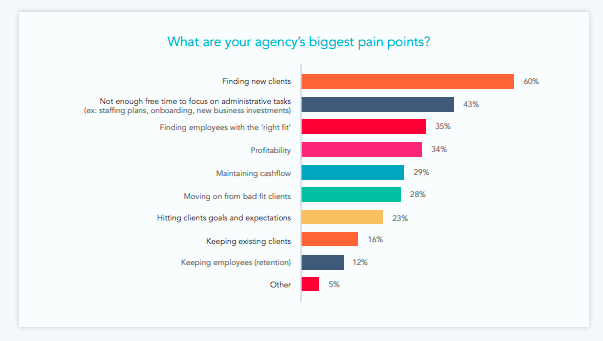
Start by Laying a Foundation
The first thing you need to do is get to know your client. Before you have any kickoff parties, before you write any welcome letters, and before you start working on any projects, it’s important to learn everything you can about the client. Start by understanding the client’s industry. If you have people on your team who are already familiar with that industry, and they have some cycles available for additional work, it’s usually best to assign the client to those folks. Next, get to know your client’s business model. Answer the following questions:- What product or service does the client offer?
- What is the client’s unique selling proposition (USP)?
- What problems does the client’s product or service solve?
- What marketing channels is the client currently using?
- Who is the client’s target market?
- What segments are within that target market?
- How well has the client’s approach to marketing succeeded?
- What are the customer’s pain points?
Client Onboarding: Send a Welcome Letter
Give your client the warm and fuzzies right out of the gate with a welcome letter. Spend some time on getting the verbiage right because it’s one of the first impressions that your client will have of your business as a client. In addition to the welcome letter, include a package that lists all the info you’ll need. That will help set expectations. If necessary, include the legal documentation and contracts with the welcome letter. It’s usually best to keep that stuff separate, though.Educate Your Team
The next step in the client onboarding process doesn’t even involve the client. If your business is a typical service-oriented organization, you’ll likely assign a team to work on the client’s project. Then, you’ll periodically contact the client yourself to find out how things are going.
Give Them Access
Another important step: give the client access to any information systems they’ll be using. In some cases, even if you provide written reports once a month, you might let clients use an admin console to check on the progress of their project. Make sure you provide the client with the proper credentials to access that application. By the way, that is another great way to get the edge over your competition. A lot of agencies don’t have an application that clients can use to see if the team is hitting the specified key performance indicators (KPIs). Also, if you’re going through any kind of formal training session with the client (for example, teaching them how to use your awesome application), make sure you send the client the link to the training session.Client Onboarding: Set up the Initial Kickoff Call
Next, set up the kickoff call with the client. Invite all key players from the client’s side as well as team members who are assigned to the project. Ideally, you want to be in the same room with the client. If possible, set up a real meeting that includes everybody. Unfortunately, though, that’s not always possible. We live in a global economy, after all. So feel free to punt and hold a teleconference. Just make sure you use hardware and software that’s reliable.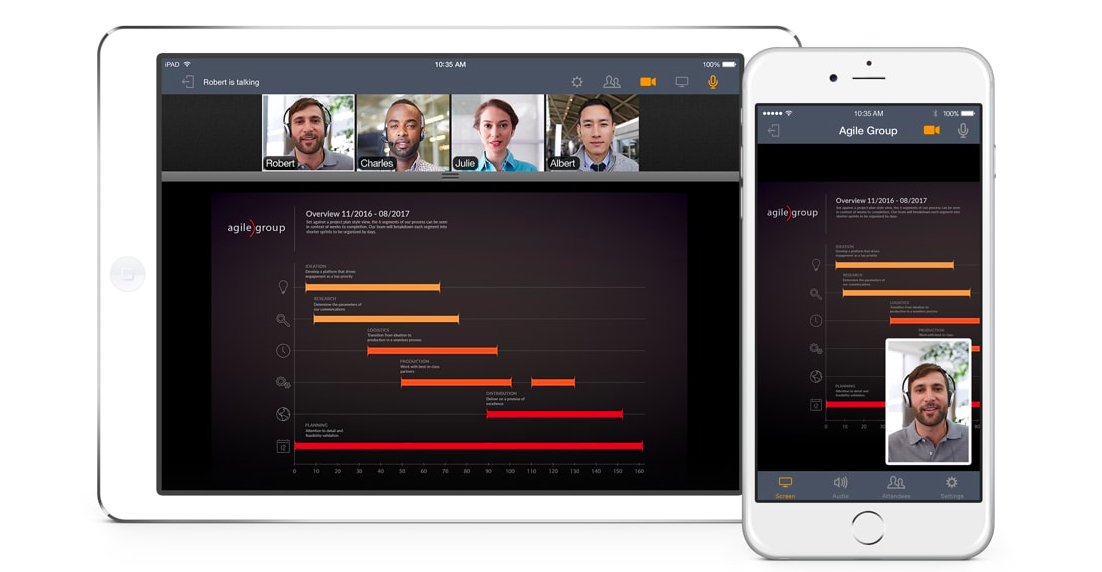
Set Goals
The next step comes from Business 101. You have to set goals. Why? Because that’s how the client will measure your success. Let’s say you set a goal to increase the client’s monthly leads by 20% within the next six months. The client can check the monthly lead counts in six months to determine if you’re delivering on promises. If you are delivering on promises, then the client will be happy. If you’re exceeding your goals, then the client will be ecstatically happy. That’s when the client becomes an evangelist for your brand. So spell out measurable, quantifiable goals clearly. Also, make it clear to team members how you’ll measure the results. It’s important that everybody is using the same tool for that purpose. Keep in mind: you should create the goals with participation from the client. That’s how you’ll know that the goals are in line with the client’s objectives. There’s a balancing act here. If you set very aggressive goals, you might make the client happy at the outset, but you could disappoint in the long run. On the other hand, if you set goals that are too easy to reach, the client might get demoralized at the beginning. You need to set goals that you can reach and will give the client a noticeable improvement.Send out the Meeting Notes
Sometimes, things get lost in translation. That’s why it’s a great idea to have someone take notes on the meeting and send out the minutes once it’s over. Usually, the project manager handles that task. In some organizations, though, there’s a designated meeting scribe. However you do it, make sure that those notes get sent to every team member and all the relevant people on the client side. That’s just another way to make sure that everybody is on the same page.